

Pain Perdu in French means "lost bread" because the dish is a clever way to repurpose stale loaves that might otherwise go to waste. Unlike its American cousin French Toast, which is often made with sandwich bread, Pain Perdu is made with thick, crusty French bread. I like using a Bâtard or Pain de Campagne for this because they have the perfect ratio of crunchy crust to pillowy center with enough structure to ensure the bread doesn't fall apart, even after being soaked overnight.
Jump to:
Why My Recipe Works

- Using a light and airy bread gives the custard a place to soak in.
- A crusty loaf provides contrast between the chewy outside and pillowy interior.
- Sprinkling the bread with sugar and flour forms a shell that won't go soggy immediately after cooking.
- Using both cream and milk gives the Pain Perdu richness without being too cloying.
- Finishing the Pain Perdu in the oven ensures that the custard sets before the exterior gets too dark.
The Perfect Balance
Another difference with French Toast is that Pain Perdu-like many things French-includes cream in the custard. If you want to go really decadent you could even make this with cream alone, but I find that using pure cream makes it a bit too rich, which is why I prefer using a 50/50 mix of milk and cream. Be sure to soak the slices of bread for at least 24 hours, flipping them over a few times in between to ensure the custard has been fully absorbed.

An Important Detail
One of the most important things to make this dish shine is to sprinkle flour and sugar onto the surface of the bread. This may sound odd at first, but it's this small detail that makes the difference between a soggy piece of browned bread and a marvelous, perfectly browned and crispy slice of Pain Perdu. The sugar and flour form a crisp shell that gives way to the rich, tender custard on the interior. The flour, along with the butter from the pan, helps form a crisp crust, while the sugar caramelizes on the outside of the bread, giving it a gorgeous mahogany hue and deep caramel flavor.
Variations
In terms of flavorings, I went with vanilla and Armagnac, a marvelously fragrant French brandy, but you could get creative here. How about an orange flavored Pain Perdu with Grand Marnier drizzled with an orange butter emulsion, or a Raspberry Pain Perdu flavored with Eau de Vie de Framboise and topped with fresh raspberries and cream. Perhaps even an Almond Pain Perdu with Amaretto and slice almonds. A drizzling of my Raspberry Coulis would provide a nice tart contrast to the rich custard, or try a slathering of Lemon Curd.

Other Breakfast Recipes
📖 Recipe

Equipment


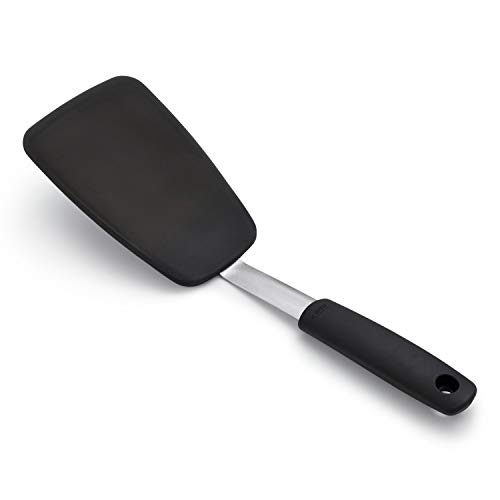
Units
Ingredients
for custard
- ½ cup whole milk
- ½ cup heavy cream
- 2 large eggs
- 3 tablespoons granulated sugar
- 1 tablespoon Armagnac
- 1 teaspoon vanilla extract
for Pain Perdu
- 2 slices batard (sliced 2-inches thick)
- 2 tablespoons cultured unsalted butter
- 1 tablespoons superfine sugar
- 1 tablespoon all-purpose flour
Instructions
- Make the custard for the Pain Perdu by whisking together the ½ cup whole milk, ½ cup heavy cream, 2 large eggs, 3 tablespoons granulated sugar, 1 tablespoon Armagnac, and 1 teaspoon vanilla extract until the mixture is completely homogenous.

- Place the 2 slices batard in in a deep dish or tray that is just large enough to hold the bread in a single layer and cover with the custard. If your dish is too large the custard won't soak into the bread completely. If you don't have a suitable dish, you can use a sealable plastic bag and press out the excess air. Cover and refrigerate for a day, turning the bread over a few times in between.
- Preheat the oven to 450 degrees F (230 C). Remove the soaked Pain Perdu from the refrigerator and flip one more time.
- Mix 1 tablespoons superfine sugar with 1 tablespoon all-purpose flour and sprinkle half the mixture onto the tops of the bread using a small sieve(such as a tea strainer) to ensure the flour gets sprinkled evenly.
- Add the 2 tablespoons cultured unsalted butter to a cast-iron skillet and heat over medium heat.
- When the butter has melted and the foaming subsides, add the bread with flour-sprinkled side down.
- Dust the Pain Perdu with the remaining flour/sugar mixture and fry until it's well browned on one side (about 5 minutes). If your heat is up too high it will burn, so if it looks like it's browning too quickly, turn the heat down.
- Flip the bread over and put the pan in the oven.
- Bake for 8-10 minutes. Keep a close eye on it as the sugar will burn easily. You want the surface of your Pain Perdu to be very dark, but not burnt.


Christine Korthaus says
I've never made this and would like to try it for Christmas morning. Can I use a baguette or would the pieces be too small?
Thanks!
Marc Matsumoto says
Hi Christine, it would work, but I generally don't use them, though, because of the crust-to-inside ratio. Baguettes tend to be much thinner, so they have more crust relative to the soft part. This makes them a little too crunchy without much of the custardy center. I hope that helps!
Linda says
I am from New Orleans and I have access to really good “ French Bread “ so I’m going to try this recipe. Without a doubt? It is going to be delicious. I have been making “French Toast” aka “Lost Bread” for years now and I can’t wait to try your recipe.
Marc Matsumoto says
Hi Linda, thanks for the nice note! I hope you enjoy this!
Rada says
The recipe is great, the cooking method is what does the trick. Love the flour / sugar combo, the light roast gives it the beautiful caramel color, the baking gives it fluffiness.
It’s perfect!
Marc Matsumoto says
Thanks Rada, I'm happy to hear you enjoyed this!
Karen says
This recipe is to die for. It works fine even if you only soak overnight; I have used Cointreau or whiskey instead of Armagnac, and I’ve tried diff kinds of breads cut in diff widths. It’s best eaten right away; if you let it sit, the fluffiness starts to collapse. Thank you Marc Matsumoto!
Marc says
Hi Karen, I'm so happy to hear you've been enjoying this! Thanks for taking the time to stop by and let me know. Also, great call on using Cointreau!
Kathy Stroup says
Your Pain Perdu looks just like mine but your method is entirely different. I love how custardy the center gets. I prefer it over American French toast. Do you think this merits a video?
Marc Matsumoto says
I prefer this over American-style French toast too!
Teresa says
Could I use powdered sugar instead of flour?
Marc Matsumoto says
Hi Teresa, the flour is there to help the exterior crisp sugar does not contain starch and will not crisp. Putting sugar on the outside before cooking it will also make it burn.
Paul says
This is the Best recipe I have ever used! However, Im having an issue with the Batard bread not soaking the custard all of the way through. When I use french bread the center is slightly too soggy. The batard bread is a superior taste (especially on the crust) but I can never get the custard to soak all of the way into the center of the bread. Ive even tried doubling the custard so the bread is floating and left the bread in the custard for 48 hours and the custard still doesn't soak all of the way through? Any suggestions?
Marc Matsumoto says
Hi Paul, I'm glad to hear you're enjoying this. As for the custard soaking the bread, are you flipping the bread over a few times while soaking? This usually does it for me. Another method you might try is to put he bread and custard in a zipper bag and press out as much air as you can. This helps the custard surround more of the bread and flipping them over is as simple as flipping the whole bag over. The only other thing I can think of is that the brand of batard you're using doesn't soak up liquids very well. I haven't had the issue so much with this dish, but I have run into sandwich breads before that didn't work with my summer berry pudding recipe (the berry juice just wouldn't soak into some parts of the bread).
Adam says
can you use brioche instead of batard? 🙂
Marc Matsumoto says
Hi Adam, Brioche is a much softer bread so the custard should soak in faster. Also, the edges won't get as crispy as this, but it should still work.
K Grote says
Whoops, I forgot. I said I followed recipe to the letter, but I just remembered. Had no Armagnac. Used a very nice Calvados! All the best, K.
K Grote says
Hiya,
Great recipe! Been striving for a perfect baguette for a few weeks now, so I had some very respectable lost bread to work with. As I said to my wife, "I've been making pain perdu for a few years now, but I've always been in a hurry and never took as much care with proportions or soaking time. I did this time, followed your recipe to the letter and now see what all the fuss is about. Awesome!! Thanks 🙂
Marc Matsumoto says
Glad to hear this helped out! If you happen to have a chamber vacuum you can reduce the soaking time dramatically by putting the bread and custard in a tray and pulling a vacuum on the whole tray and releasing it for a few cycles (don't use a bag). Good call on the Calvados!
K Grote says
Funny you should say that! The day I threw this together my son, who was experimenting with plastics at a crafting coop here in Tucson some time ago, was telling me how he thought a chamber vacuum would be a quick solution to the long soak. Thanks again.
Randahlicous says
Now for every two pieces, I need half cup heavy cream and half a cup of milk, is this a correct understaning?
Marc Matsumoto says
Yes, you need a lot of liquid otherwise a piece of bread cut that thick won't get fully saturated. Keep in mind I'm using a batard (about 4 inches in diameter), not a baguette.
Chris says
I found this recipe after I had Pain Perdu at a nice brunch at a French style restaurant and I’ve been wanting to try this recipe for at least a year. I finally did and it was so so so good! My husband and 4 year olds loved it too. I used a loaf of French bread that had gone hard as a rock and didn’t have any fancy liquor on hand so used a bit extra vanilla and a touch of almond extract with a dash of cinnamon. I also didn’t have any whipping cream, but I did have half and half so I used that instead of the whole milk and cream. Heavenly! I think even better than the restaurant version I had. Thank you for the recipe!!!
Marc Matsumoto says
Hi Chris, glad to hear you enjoyed this, thanks for dropping in to let me know! Good call on the almond extract👍🏽 We've got a ton of other brunch recipes on here, so I hope you try some of them out😉 https://norecipes.com/course/brunch/
Good JuJu says
Delicious! Made with a stale hunk of sourdough walnut loaf and 1/2 cup cashew milk + 1/2 cup whole fat yogurt as subs.
Marc Matsumoto says
Great ideas! Glad to hear you enjoyed it! I'm gonna try making it with yogurt next time!
Amy says
Thank you for this recipe! The proportions, instructions and results were perfect! I had half of a week-old loaf of rustic Italian bread that was beyond dry but with an overnight soak in the custard, the pain perdu came out delicious, very moist in the center and perfectly brown and crispy on the outside.
Marc Matsumoto says
Hi Amy, I’m so glad to hear you enjoyed it! Thanks so much for stopping by to let me know😃