

This easy Asian Chicken Lettuce Wraps recipe is as enticing to the eye as it is to the palate. Every component comes together to create a vibrant dish loaded with contrasting colors, tastes, and textures. Each refreshing bite is nestled in a lettuce cup with umami-packed basil chicken and zesty lime pickled onions. The sweet, tangy, quick pickles dance on your tongue with the fragrant chicken to create a symphony of flavors that leaves you craving more.
The best part of this sensory experience is that these Asian lettuce wraps can be thrown together in under fifteen minutes, making it the perfect weeknight chicken recipe when you're in the mood for something light, refreshing, and yet deeply satisfying.
Jump to:
Why My Recipe Works

- Stir-frying ground chicken with garlic, oyster sauce, and basil is an easy way to make an ultra-flavorful filling for lettuce wraps.
- Quick pickling red onions in lime juice creates a vibrant color, taste, and texture contrast to the savory chicken.
- Using two different kinds of lettuce (soft bibb and crispy frill) provides two textures that keep every bite exciting.

Ingredients
- Garlic: There's just something about garlic that brings a pungent, aromatic depth to any dish. By browning them, it creates a nutty and savory profile for our basil chicken stir fry, and you could use shallots or green onions for a milder yet equally delicious twist.
- Chicken: I like using ground chicken thighs for this because the extra fat ensures the chicken stays moist and flavorful, but ground chicken breast, ground turkey, ground pork, or even ground beef would work, and you could experiment with other ground proteins such as crumbled firm tofu or TVP as well.
- Oyster sauce: This rich, umami-packed condiment creates a deep, savory backbone for the chicken mixture, making it addictively good. If you're looking for a vegetarian option, try using mushroom-flavored dark soy sauce or a vegan oyster sauce substitute.
- Soy sauce: As much as I love oyster sauce, it tends to be a little sweet, so I like to add some soy sauce, shifting the balance towards savory. You can also use tamari or coconut aminos for a gluten-free or soy-free alternative.
- Black pepper: I like using ground black pepper because it gives a subtle heat and peppery flavor that complements the other chicken and oyster sauce. For an extra kick, try using ginger, crushed red pepper flakes or even a squirt of sriracha.
- Basil: The fresh, herbaceous element that basil imparts is perfect for brightening up the chicken and adding a fragrant contrast. If basil isn't your thing, other fresh herbs like cilantro or mint will work great as well.
- Red onion: The tangy, vibrant accent that quick-pickled onions bring to the dish is a welcome contrast. I like using red onion because the anthocyanins react with the acidity of the lime juice to turn them into a vivid shade of magenta. If onions aren't your thing, try pickling other crunchy veggies like carrots, cucumbers, or water chestnuts for a pop of texture.
- Lime juice: The acidity and brightness of lime juice make the quick pickles so refreshing, but if you don't have limes, lemon juice, apple cider vinegar, or rice vinegar will all work fine.
- Sugar: A hint of sweetness in the pickling brine helps balance the acidity of the lime juice. I used evaporated cane juice, but other sweeteners like honey or agave syrup will work as well.
- Lettuce: I find that using both soft bibb lettuce (a.k.a. butter lettuce) and crispy frill lettuce provides a delightful contrast in textures. However, feel free to use your favorite leafy greens, such as romaine, iceberg lettuce, or radicchio.
- Cilantro: The finishing touch to our wraps, cilantro adds a burst of freshness and a hint of herbaceous flavor. If you're not a fan of cilantro, try using parsley, chives, or even green onions for a different take on the garnish.

How to Make Chicken Lettuce Wraps
To start, we'll prepare the quick-pickled red onions. I like to begin with this step because it allows the onions to marinate and develop their bright flavors while we work on the rest of the recipe. Combine the sliced red onions, lime juice, sugar, and salt in a bowl, tossing the ingredients together. For the best results, let these marinate in the fridge overnight. But if you're short on time, you can speed the process up by letting them sweat and then massaging them with your hand until they're limp and translucent.
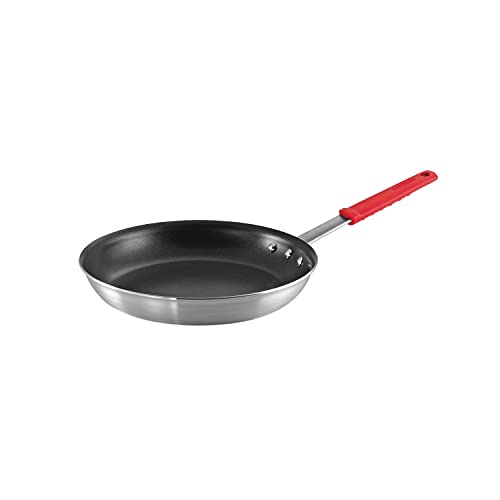
Next, heat a large skillet over medium heat, and add the oil and garlic. I like to fry the garlic until it's golden brown because the Maillard reaction transforms the sharp pungent flavor into rich, aromatic depth, making the dish taste like it took much longer to prepare. When the garlic is ready, add the ground chicken, breaking it up with a spatula. You can also use two spatulas to speed this up.
When it's nice and crumbly, season the chicken with oyster sauce, soy sauce, and black pepper. Now you want to continue stir-frying the chicken until there's no liquid left in the pan, which helps to concentrate the flavors.
Once the chicken is cooked through, add the basil and toss it all together until the leaves are wilted and vibrant green. Then, transfer the stir-fried chicken onto a plate. Let it cool slightly so it doesn't cook the lettuce when you assemble the wraps.
To make the wraps, pick the best-shaped lettuce leaves from the two heads of lettuce. You want to try and use leaves that don't have any tears or creases that will make them difficult to fill. Next, top each leaf with a generous scoop of basil chicken. Then, top with a tangle of the tangy, quick-pickled onions and a few cilantro leaves to taste.
Serve it With
These Asian Chicken Lettuce Wraps are a versatile, light dish that pairs wonderfully with various sides. For a complete, well-rounded meal, consider serving them alongside a steaming bowl of Riceberry, Soy Sauce Butter Rice, or my Chilled Soba Salad. If you're looking for more protein, Hiyayakko is an easy chilled tofu salad with endless variations. If you're in the mood for more vegetables, my Smashed Cucumber Salad is a clean, crunchy counterpart to the richness of the chicken. Finally, if you want something more hearty that sticks with the wrap theme, try making a batch of my Japanese-style Spring Rolls.
If you're eating a high protein diet, I have a collection of great chicken ideas in this article, Easy High Protein Chicken Recipes.
📖 Recipe


Equipment


Units
Ingredients
For quick pickled onions
- 180 grams red onions (thinly sliced)
- 2 tablespoons lime juice
- 2 teaspoons sugar
- ¼ teaspoon salt
For basil chicken
- 1 tablespoon vegetable oil
- 9 grams garlic (minced)
- 425 grams ground chicken
- 2 tablespoons oyster sauce
- 2 teaspoons soy sauce
- ½ teaspoon ground black pepper
- 25 grams basil (just the leaves, roughly chopped)
To wrap
- 2 small heads lettuce (about 300 grams)
- cilantro (to taste)
Instructions
- To prepare the quick pickles, add 180 grams red onions, 2 tablespoons lime juice, 2 teaspoons sugar, and ¼ teaspoon salt to a bowl and toss the ingredients together. Ideally, you want to pickle these overnight in the fridge, but you can speed things up by letting them sweat for 10 minutes and then using your hand to massage them until they're limp and translucent.

- For the chicken, heat a frying pan over medium heat, and add 1 tablespoon vegetable oil and 9 grams garlic. Fry the garlic until it's golden brown while stirring it.
- Add 425 grams ground chicken and crumble it up using one or two spatulas.
- Once no large clumps of chicken remain, add the 2 tablespoons oyster sauce, 2 teaspoons soy sauce, and ½ teaspoon ground black pepper and continue to stir-fry the chicken until there is no liquid left in the pan.
- Add the 25 grams basil and toss it with the chicken to finish it. Transfer the stir-fried chicken onto a plate and let it cool slightly.
- To assemble the lettuce wraps, pick the best-shaped leaves from the 2 small heads lettuce and lay them out on a platter.
- Add a generous scoop of basil chicken onto each leaf of lettuce and then top with a tangle of onions and a few cilantro leaves to taste.


Emily Hoon says
Now why didn't I think of that?! I grew up eating lettuce wraps so this recipe brought up memories! it is also a perfect low-carb and keto dish for my clients with hormonal imbalances. Thank you for sharing!
Marc Matsumoto says
You're welcome Emily! There's some sugar in oyster sauce and the pickling brine, but you can substitute Lokanto for in the pickling brine and there are some keto-friendly oyster sauces.