

Meat Wrapped Onigiri (肉巻きおにぎり)
Nikumaki Onigiri (肉巻きおにぎり) means "meat wrapped onigiri" and is said to have started as a staff meal at an izakaya in Miyazaki in the 1990s. Onigiri is usually a bento side, but wrapping sesame‑scented rice in thin beef and finishing it with a glossy teriyaki glaze turns it into a portable main that eats like steak and rice in every bite.
Jump to:
Why My Recipe Works
- Paper thin meat - Using thinly sliced meat to wrap the rice ensures it cooks through all the way while ensuring the exterior doesn't get chewy or tough.
- Mix ins for rice - Ground sesame seeds and shiso mixed into the rice provide a nutty, refreshing flavor and textural contrasts that keep each bite interesting.
- Teriyaki glaze - Glazing with a 1:1:1 teriyaki (soy sauce, sake, sugar) caramelizes into a glossy sheen that seasons the meat and rice.
Ingredients for Meat Wrapped Onigiri
- Japanese short-grain rice - To get the rice to stick together, it's important to use Japanese short-grain rice. You can learn about the different varieties of Japanese rice in my How to Cook Japanese Rice recipe.
- Thinly sliced beef - The meat wrapped around the rice must be cut into large sheets that are thin enough to cook through quickly and still be tender. I recommend using beef sliced to a thickness of about 1mm. It is nearly impossible to get sheets big enough with a knife (you'll need a frozen block of meat and a meat slicer), so I recommend looking for the beef sliced for hot pot at Asian supermarkets. If you have a Japanese market nearby, look for beef sliced for Sukiyaki. Thinly sliced pork will also work.
- Sesame seeds - While you can make Meat Wrapped Onigiri with plain white rice, I like mixing in some toasted ground sesame seeds. This adds a marvelously nutty flavor to the rice that goes great with the beef.
- Shiso - Green shiso is a Japanese Perilla cultivar and is often used as a garnish at sushi restaurants. It also happens to be a very flavorful herb that has a marvelously refreshing fragrance that's somewhere between mint and basil. If you can't find it, add other flavorful herbs such as chopped basil or chives.
- Teriyaki sauce - To season the rice ball, a generous splash of traditional Japanese Teriyaki Sauce gets added at the end. The savory-sweet mixture of soy sauce, sugar, and sake filters through the beef, picking up its flavor before percolating into the rice.

Substitutions & Variations
- Other meat: Nikumaki onigiri can be wrapped in any very thinly sliced meat. Hot‑pot style pork belly or loin slices will work great. If the meat you use is too narrow, you can stagger the slices to make bigger sheets.
- No shiso: add your favorite aromatic herbs like basil, green onions, or citrus zest.
- Sauce swap: If teriyaki isn't your thing, you can glaze these with a variety of sauces like tonkatsu sauce, citrusy ponzu, or even barbecue sauce.
How to Make Meat Wrapped Onigiri
The first thing you want to do is cook 1 rice cooker cup of Japanese short-grain rice. If you don't have a rice cooker, you can follow my stovetop rice recipe, but this makes double the amount of rice you need, so you can either make 8 onigiri or save half of the rice for something else.
Grind the toasted sesame seeds into a coarse meal using a mortar and pestle, spice grinder, blender, or food processor. Add the ground sesame seeds and chopped shiso to a bowl with the hot rice and use a folding and cutting motion to work the ingredients together. Be careful not to smash individual grains of rice. Flatten off the top of the rice and divide it into 4 equal segments.
Put down a sheet of plastic wrap, and then add a quarter of the rice on top. The wrap keeps the rice from sticking to your hands, so use it to shape the onigiri into a thick cylinder. If you don't want to use plastic wrap, you can use your hands, but you'll need to keep your hands wet so the rice doesn't stick. Repeat with the remaining rice.
To wrap the onigiri with meat, spread a sheet of beef out on a clean work surface. Then unwrap and place a rice ball at the edge of the meat closest to you. Next, roll the beef around the rice. Then you can fold the sides of the meat around the ends of the cylinder to seal the rice in.
To cook the Nikumaki Onigiri, add the vegetable oil to a frying pan over medium heat and add the meat wrapped rice. Let the onigiri brown on one side before rolling them to another side to brown a new surface. Continue rolling and browning until the onigiri are browned on all sides. To cook both ends of the rolls, you can use tongs to flip them up onto their ends.
Once the meat is browned on all sides, use a paper towel to soak up all of the excess oil in the pan. To glaze the Meat Wrapped Onigiri, add the teriyaki sauce and roll them around until the sauce has thickened and coated the meat in a thick, shiny layer.
You can serve these immediately, or they can be cooled to room temperature and packed into a bento box lunch, along with some colorful vegetables. If meat-wrapped food is to your liking, check out my Beef Negimaki. It's got the same thin sheets of beef, but it's filled with scallions (negi) instead of rice.

Make‑Ahead, Storage & Reheating
- Fridge: cool completely, then refrigerate in an airtight container for up to 24 hours. Reheat in a microwave oven set to 600 watts for a minute or two.
- Freeze: wrap individual onigiri in plastic wrap and store in a freezer bag for up to 1 month. Defrost and reheat in a microwave oven set to 600 watts for three to four minutes.
- Bento: Let the onigiri cool to room temperature before packing. Use an ice pack if transporting in warm weather.
Serve this With
Nikumaki Onigiri is a street food staple, making it a popular item at summer festivals or omatsuri. To make a festival-style meal at home, pair these with Osaka-Style Okonomiyaki, crisp candied Daigaku Imo, and soy‑glazed Mitarashi Dango dumplings. For something sweet to finish off your meal, try making fish-shaped Taiyaki, or strawberry-filled mochi. These meat-wrapped onigiri are also perfect for packing into a bento box lunch. Tuck in some smoky Blistered Shishito Peppers, add a cool and creamy side of Japanese Potato Salad and a slice or two of fluffy Tamagoyaki to add a rainbow of colors to your bento.
📖 Recipe


Units
Ingredients
- 1 tablespoon toasted sesame seeds
- 350 grams cooked short-grain rice (1 rice cooker cup)
- 140 grams thinly sliced beef (4 very thin slices)
- 4 grams shiso (cut into thin ribbons)
- 2 teaspoons vegetable oil
- 3 tablespoons teriyaki sauce
Instructions
- Use a mortar and pestle or a clean spice grinder to grind the 1 tablespoon toasted sesame seeds coarsely.

- Add the ground sesame and 4 grams shiso to the 350 grams cooked short-grain rice and fold everything together until it's evenly combined.
- Divide the rice into 4 even segments.
- Cut a piece of plastic wrap onto a work surface and scoop a quarter of the rice onto it.
- Use the wrap to shape the rice into a thick cylinder, and then roll it up in the wrap. Repeat with the remaining 3 segments of rice.
- Spread a sheet of the 140 grams thinly sliced beef out on a cutting board. Unwrap and place an onigiri on the edge of the meat closest to you.
- Roll the rice in the beef, and then fold the sides around it to seal it shut.
- Heat a frying pan over medium heat and add the 2 teaspoons vegetable oil. Place the meat wrapped onigiri around the pan and let them brown on one side.
- As the onigiri brown, roll them a little to one side to brown a new section. Repeat until the roll is browned on all sides.
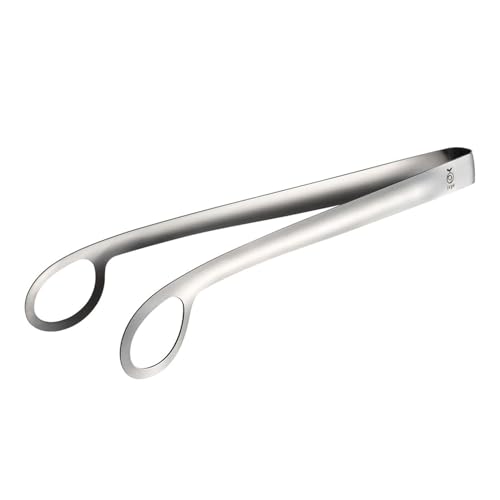
- Finish cooking the rolls by turning them on their ends with tongs to cook them.
- Once the onigiri are browned on all sides, use a paper towel to soak up all of the excess oil. Add the 3 tablespoons teriyaki sauce and roll the rice balls continuously until the sauce has thickened into a thick glaze and there's almost none remaining in the pan.
- Serve the Nikumaki Onigiri hot, or pack them into a bento box and let them cool completely before closing the lid.


Notes
- Use beef sliced for hot pot (about 1 mm thick) so it cooks through quickly without getting tough.
- Shape rice into firm cylinders so the meat wraps without gaps.
- Classic teriyaki is equal parts soy sauce, sake, and sugar. Reduce until glossy so it clings without pooling.
Nutrition Facts
FAQ
Onigiri is often translated as "rice ball" in English, but it literally means "hand-formed" and refers to rice that's been squeezed into various shapes. Nikumaki means "meat wrapped," so this dish is made by hand shaping rice (usually into cylinders) and then wrapping them in a thin sheet of meat before pan-frying or grilling them. These get glazed in a savory sweet soy sauce to season them.
Nikumaki Onigiri is an 8-syllable name pronounced as follows (read the italicized parts).
ni like knee
ku like cool
ma like mall
ki like key
o like order
ni like knee
gi like gear
ri the "ri" sound does not exist in the English language, and the best way to make it is to say the word "ream" with the tip of your tongue at the front of your mouth.
Sage says
Hey Marc,
Thank you very much for this recipe. I had makiniku for the first time during the Golden Week Festival in Hamamatsu in 2019 from a street vendor and have been trying to recreate the flavor ever since. I have come up with a few recipes based on it since then which have been good but have not quite captured the essence of the dish that I had and some were quite different(all were tasty though). Your recipe is so amazingly close(and possibly better) to what I had back then and I cannot thank you enough for posting it. The only thing missing compared to the dish I first had was the vendor has some sort of cheese sauce in a bag he put over the top before serving which really went well with all of the flavors. I am really not sure what kind of cheese it was, I just remember the dish being one of the tastiest things I have ever put in my mouth.
Thank you again for posting this recipe, it is super exciting to have finally found the recipe I have been searching for. This recipe is definitely going to make it into my regular rotation.
Marc Matsumoto says
Hi Sage, I'm so happy to hear you enjoyed this! Thank you for taking the time to let me know. I'm so curious about this cheese sauce. Do you have any photos you could send me? Since it was in Japan the most likely case is that it was made with some kind of processed cheese.
Sage says
Sadly I do not have any photos, my guess is that you are correct and it was likely a processed cheese of some sort possibly made into a sauce by mixing with milk or something. He had it stored in something similar to an icing bag so it could be squeezed out easily. It has a consistency similar to nacho cheese but not quite as liquid.
Golden week is coming again soon and there may actually be festivities this year so I will keep my eye out for the food cart to see if I can find it again and if so I will definitely take pictures this time and would be happy to share them with you if I can get them.
Izzie says
It was very good....It will be included in my repertoire every two weeks as I have some other recipes of yours that I have also included in my weekly menu..
Keep it up, Mark.. you are doing very good and I like your recipes. Thanks agaim.
Izzie says
Thank you for this recipe. It looks very nice...It will our dinner tonight plus some small bokchoy for vegetables side.
Marc Matsumoto says
You're welcome Izzie, I hope you enjoyed it 😄