

Chirashi Sushi Bowl (ちらし寿司)
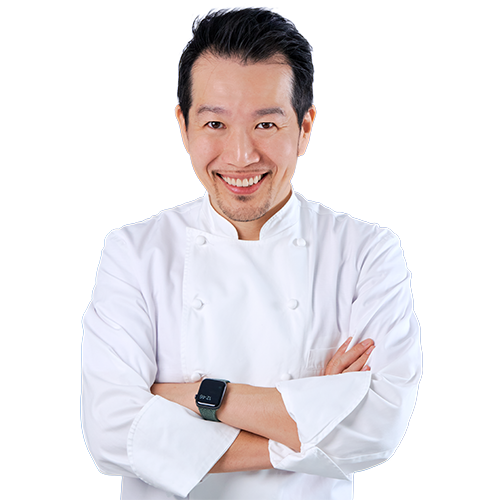
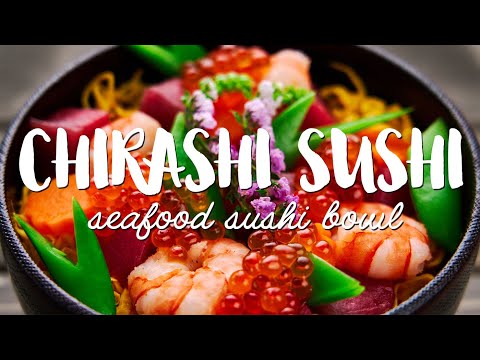
Chirashi Sushi (ちらし寿司), also known as Barazushi (ばら寿司), is a traditional Japanese food that differs from nigiri sushi and maki sushi in that it's freeform. There are many variations, but at its core, Chirashi is made by topping a bed of seasoned sushi rice with a scattering of colorful ingredients. Flexible and easy, it's a favorite of Japanese home cooks using the ingredients you have on hand. Its bright, festive appearance makes it the perfect dish for celebratory events, and my mom used to make it whenever we had guests over for birthdays and holidays.
Jump to:
Why My Recipe Works
- Many people assume that Japanese sushi is all about raw fish, but it's the vinegared sushi rice that most modern styles of sushi have in common. This is why it's important to use sticky Japanese rice with the proper cooking process.
- When mixing the rice with the sushi vinegar, the key is to get the seasoning to coat every grain of rice without smashing the individual grains, and then cooling it rapidly so the rice doesn't turn mushy.
- Part of the appeal of Chirashi Sushi is the rainbow of colors, textures, and flavors scattered over the seasoned sushi rice. I've included a mouthwatering variety of toppings to make this Chirashi recipe a festive centerpiece for special occasions.

Ingredients
- Rice - Sushi is best made using Japanese short-grain rice. This is because short-grain rice has a higher ratio of amylopectin to amylose, which gives it its trademark sticky texture. Amylopectin also takes much longer to retrograde than amylose, which means short-grain rice won't get hard when it's served at room temperature. Medium grain cultivars such as Calrose will work, but it's not ideal. I do not recommend trying to make this with long-grain white rice.
- Sushi Vinegar - This condiment is a sweet, sour, and salty mixture of rice vinegar, sugar, and salt. You can follow my Seasoned sushi vinegar recipe to make it at home, or you can buy it bottled.
- Seafood - I've included a mix of pieces of raw tuna and poached shrimp for my version, but you could use other types of fresh fish or cooked shellfish. Pieces of sashimi and octopus are popular options. Another option is to use soy sauce marinated salmon sashimi. To make it a little extra, I've also used some ikura, or salmon roe. You could also use other types of fish eggs, like tobiko. Look for sashimi grade fish at Japanese grocery stores.
- Egg - Egg is a popular topping for Chirashi Sushi because it's colorful and adds protein, especially if you plan on making it without seafood. I'm topping this with thin threads of egg called Kinshi Tamago, which is kind of like an egg crepe, but you can also make Tamagoyaki (Japanese rolled omelet) and cut it up into slices or bite-sized pieces as well.
- Vegetables - Although this version of chirashi sushi is seafood-based, it is not a requirement. My mom topped her chirashi bowls with shiitake mushrooms, burdock root, carrots, egg, snow peas, cucumbers, and red pickled ginger. For mine, I'm going with crisp snap peas and sweet carrots that I've cut into leaves and flowers. I've also used some edible shiso flowers as an added touch at the end, but you can garnish with any edible flowers or fresh herbs you have on hand.
- Garnishes - Pick garnishes that make the color and texture pop. Nutty toasted sesame seeds are a great option, and I also like using other Japanese condiments such as kizami nori.
How to Make Chirashi Sushi

To prepare the rice, start by rinsing the excess starch off of the surface of the uncooked rice by putting it in a sieve and agitating it with your hands under cold running water. When the water runs almost clear, drain it well and transfer the rice to a deep pot or rice cooker pot.
If you are using a rice cooker, fill the water a smidge below the two-cup marker (to account for the extra liquid we add when we season the rice). If you are making this in a pot, add 1 ½ US cups of room temperature water and cover it with a lid. In both cases, you want to let the rice soak for 30 minutes before you start cooking it (note: some rice cookers have pre-soaking built into the cycle, so check your manual to determine whether you need to do this or not).
For the cooked toppings, start by boiling a pot of water. Using the same water to cook everything saves time, and it's one of my cooking tips to make this chirashi bowl easier to put together. The carrots go into the pot of well-salted water first. When they're soft enough to pass a toothpick through, I add the trimmed snap peas and cook them for about 30 seconds. You want them to be vibrant green but still very crisp. Next, use tongs or a slotted spoon to transfer the veggies to a bowl of cold water to chill them rapidly.
Add the peeled and deveined shrimp to the cooking water and give it a stir. Turn off the heat and let the shrimp poach until they become a vibrant orange, turning from translucent to opaque all the way through the center. You can cut one in half to check. Transfer the shrimp to a bowl of cold water to chill them and prevent overcooking, and then use paper towels to soak up any excess moisture.
For the fish, cut it into bite-sized cubes.
For the snap peas, cut a "v" into the center of each one to create leaves. Play around with different angles to create various shapes of leaves. You also cut the carrots into flowers using a vegetable cutter.
By now, your rice should be done soaking, so either turn the rice cooker on or move the pot over to the stove and turn it on to high heat.
If you're cooking the sushi rice in a pot, bring the water to a boil over medium-high heat, then turn down the heat as low as it will go, and set a timer for 15 minutes. The goal here is to have the rice absorb all of the water. Depending on your setup, it can take 2-3 minutes less time, so check it periodically to ensure you don't burn the rice. Once the water is gone, turn off the stove and set the timer for another 10 minutes to allow the rice to steam. Be sure you don't open the lid.
Once it's done cooking, transfer the hot rice to the largest non-reactive bowl (glass, plastic, or wood) you own, and then drizzle the seasoned vinegar evenly over the rice. This is because you want to spread the rice over a large surface area to get the excess liquid to evaporate quickly. (I have a detailed recipe and instructions on how to make Sushi Rice that you can check out to learn more.)
Use a spatula or a rice paddle to incorporate the vinegar so that each grain of rice has an even coating. I usually use a folding motion, followed by a cutting motion, being careful not to smash the individual grains of rice.
Next, you want to rapidly cool the rice by fanning it while you fold. Then, when it's down to room temperature, you can assemble your Chirashi Sushi in serving-sized bowls or on a large serving platter.
After adding the bed of rice to the serving vessel of your choice, sprinkle it with the white sesame seeds.
Blanket the top of the rice with the egg, and then top your Chirashi bowl with a variety of toppings such as salmon, shrimp, and vegetables, along with whatever other garnishes you'd like to add (I used some ikura and edible flowers).

How to Serve Chirashi
Because it's served in a bowl or large platter with a wide variety of colorful toppings, Chirashi is a festive dish that's perfect for entertaining. My mom used to make a large wooden hangiri full of chirashi for birthdays and family get-togethers and set it out on the counter, along with a buffet spread of other treats. Guests would serve themselves portions onto serving plates and drizzle on a small amount of wasabi soy sauce to season the toppings. You can also assemble individually portioned bowls with small soy sauce plates and wasabi to dip the toppings. I usually like serving this with a side of pickled sushi ginger, Japanese cucumber salad, as well as a steaming bowl of miso soup.
Chirashi Variations
Think of Chirashi as a kind of deconstructed sushi that doesn't require rolling or shaping as with other types of sushi. Different regions of Japan have different types of chirashi sushi, and the bed of sushi rice can be layered with your favorite variety of toppings. You can even use fillings from your favorite sushi rolls, such as crab and avocado from California Rolls, to make a California Bowl, or pile on Spicy Tuna and shredded nori for a spicy tuna bowl. Think of it as a blank canvas that you can use to channel your inner sushi chef without taking sushi making classes.
📖 Recipe

Equipment



Units
Ingredients
For sushi rice
- 310 grams Japanese short-grain rice 1 ½ cups uncooked
- 1 ½ cups cold water
- ⅓ cup seasoned sushi vinegar
For toppings
- 85 grams snap peas (14 pods, trimmed)
- 100 grams carrot (½ carrot peeled & sliced into 12 coins)
- 180 grams shrimp (31-40 size, peeled and deveined)
- 1 batch Kinshi Tamago (shredded egg crepe)
- 160 grams sashimi-grade fish (such as tuna, salmon, or hamachi)
- 2 teaspoons sesame seeds toasted
- 100 grams ikura (optional)
- Soy sauce (for serving)
Instructions
- Put the 310 grams Japanese short-grain rice in a sieve and wash it under cold running water while agitating until it runs mostly clear. Next, drain the rice and put it in a tall saucepan with 1 ½ cups cold water, and cover it with a lid. Let this rest for 30 minutes while you prepare the toppings.

- To prepare the vegetables, add the 100 grams carrot to a pot of well-salted water and bring them to a boil over medium-high heat. Cook until the carrots are just tender enough to poke a fork through. Add the 85 grams snap peas and cook for about 30 seconds. Transfer them to a water bath using a slotted spoon to chill and then drain.
- Add the 180 grams shrimp to the boiling water and turn off the heat. Let the shrimp poach in the hot water until they turn vibrant orange and are no longer translucent (about 2-3 minutes). Transfer to a water bath to chill, and then drain, using paper towels to pat them dry.
- Cut your 160 grams sashimi-grade fish into bite-sized cubes, and keep it refrigerated until you're ready to serve it. You can also cut your carrots into flowers and your snap peas into leaves if you like.
- When the rice is done soaking, bring it to a boil over high heat. As soon as it comes to a boil, turn down the heat to low and set a timer for 15 minutes.
- Turn off the heat when the timer is up, and let the rice steam for 10 minutes without opening the lid.
- When the rice is done, transfer it to a large bowl and drizzle ⅓ cup seasoned sushi vinegar evenly over the rice. Use a spatula or rice paddle to fold the vinegar into the rice, being careful not to mash the rice grains up.
- Once the vinegar is fully integrated, fan the rice to cool it off while you fold to quickly bring the rice down to room temperature.
- To assemble the Chirashi bowl, divide the seasoned sushi rice between 4 serving bowls and sprinkle on the 2 teaspoons sesame seeds.
- Scatter the shredded 1 batch Kinshi Tamago on the rice and then top with the fish, shrimp, and vegetables.
- Garnish with 100 grams ikura and serve with Soy sauce for drizzling to taste.


Nutrition Facts
FAQ
Chirashi Sushi is a traditional Japanese dish that's usually served in a bowl. The name literally means "scattered sushi," and it gets its name because of the variety of toppings arranged artfully, or "scattered", over a mound of seasoned sushi rice. Bara Sushi, Bara Chirashi, Gomoku Chirashi, and Gomoku Sushi are other names that are used depending on the region of Japan. Although common toppings can include sushi-grade raw fish or other seafood, many versions of Chirashi don't have any raw ingredients, and some don't include any seafood at all. The exception is the sushi-counter-style type of Chirashi, which focuses on sashimi that's neatly arranged on top of the seasoned sushi rice.
Chirashi Sushi is a five-syllable name. Although it's spelled "chirashi sushi," it's usually pronounced "chirashi zushi."
chi like cheek
ra the "ra" sound does not exist in the English language, and the best way to make it is to say the word "romp" with the tip of your tongue at the front of your mouth.
shi like sheet
zu like zoo
shi like sheet
While both Chirashi Sushi and Donburi share similarities as rice-based dishes served in bowls, they cater to different culinary experiences and use distinctive ingredients and presentations. Chirashi Sushi is characterized by a base of sushi rice, which is seasoned with vinegar, sugar, and salt to give it that signature tangy, sweet, and savory taste. In contrast, Donburi generally refers to rice bowls made with plain white rice. Some examples include Gyudon (beef bowl), Oyakodon (chicken and egg bowl), and Katsudon (pork cutlet bowl).
Although this particular Chirashi Sushi recipe includes seafood and egg, it is easily adapted to be vegan-friendly. Just substitute these ingredients for a colorful assortment of plant-based alternatives, such as bamboo shoots, lotus root, burdock root, seaweed, marinated tofu, or shiitake mushrooms simmered in soy sauce and mirin. Here's a recipe for my Vegan Chirashi Sushi featuring a variety of root vegetables and mushrooms.
Sandi Taylor says
Hi Marc,
I love almost all types of sushi and love chirashi sushi, i’ll have to try this recipe because I love seafood, it sounds so good! Hope everything is OK,
I heard there was a 5.9 earthquake there a few days ago.
Take care, Sandi
Marc Matsumoto says
Hi Sandi, thanks for your concern. We had quite a good jolt, but everything is fine, thank you for the concern! I hope you have a chance to try this soon😀